Called for Police Questioning: How Not to Harm Your Case
Your first words and decisions may shape the entire investigation. Preparation should happen before you enter the interview room.
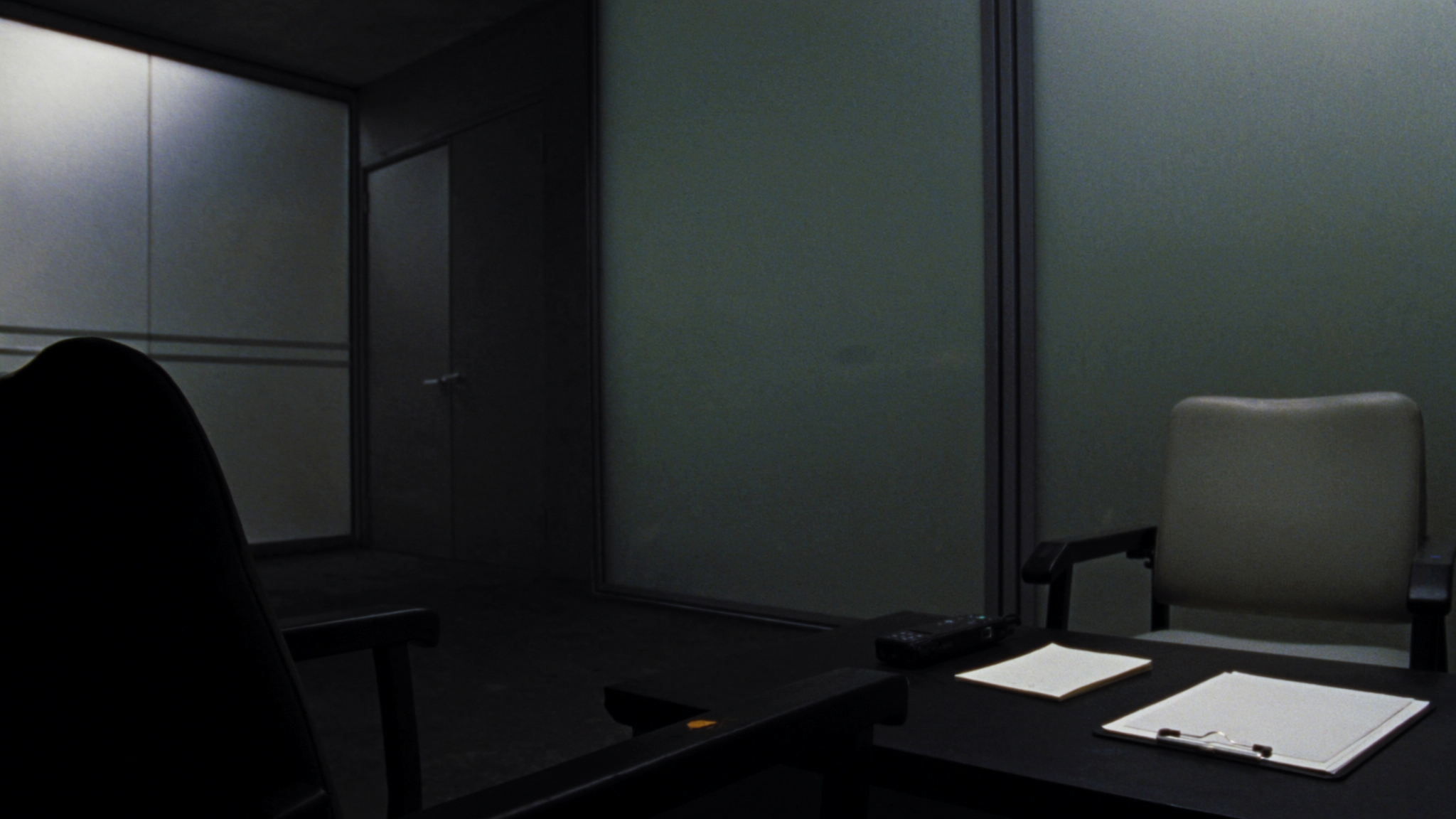
First clarify your status
Ask who is calling, which station you should attend, at what time and whether you are being approached as a witness or a suspect. Do not use the scheduling call to give a detailed account.
Your status may affect your rights and risks. If anything is unclear, retain the officer’s name and number and pass the details to your lawyer.
Speak to a lawyer before questioning
Consultations after a signed statement often begin with: “I wanted to explain honestly, but I made things worse.” Before questioning, I help clients reconstruct the timeline, separate facts from assumptions and identify the relevant documents.
I do not teach people to invent a convenient story. My role is to explain the procedure, rights and risks so that stress does not lead to inaccurate answers or agreement with someone else’s wording.
During the interview
Listen to the complete question. Ask for clarification if necessary. Do not guess dates, amounts or another person’s motives. Saying that you do not remember is better than filling gaps with speculation.
- do not discuss the case with outsiders before advice;
- do not delete messages or documents;
- do not sign text you have not read or understood;
- keep every document you receive afterward.
If questioning has already taken place
Do not try to “correct” matters through new calls or messages to other participants. Keep the documents, write down the course of the interview while it is fresh, and obtain advice about the steps still available.